Inbound and Outbound Logistics: The Hidden Engine of Your eCommerce Empire
Quick Summary (TL;DR)
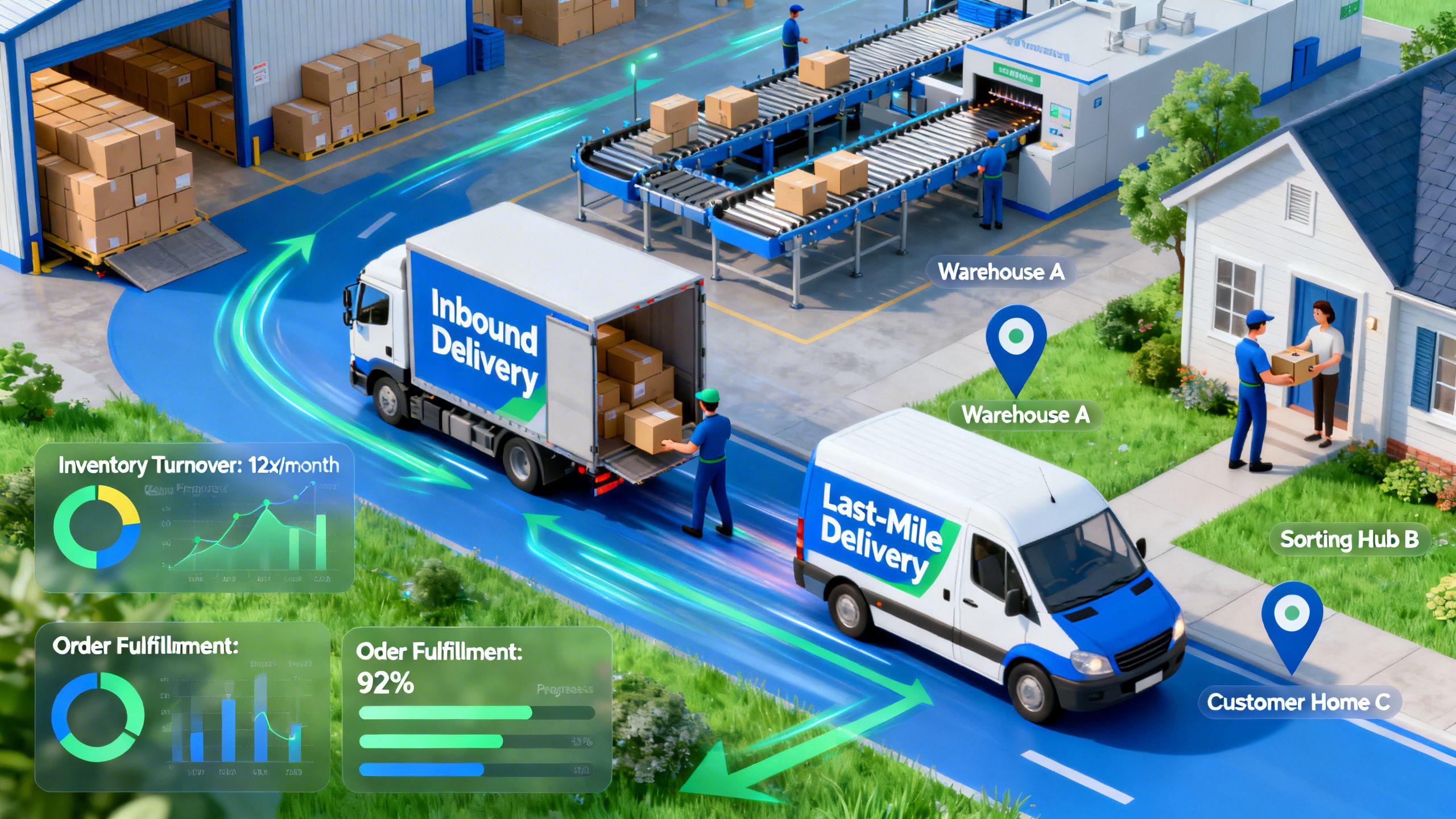
• Inbound vs. Outbound: Inbound logistics is about getting products from your supplier to your warehouse. Outbound logistics is about getting those products from your warehouse to your customer. One brings things in, the other sends them out. Simple, but getting it wrong is a fast track to chaos.
• Why It's a Big Deal: Mastering your inbound and outbound logistics isn't just about moving boxes. It's how you slash hidden costs, deliver products at lightning speed, and create customers who buy from you again and again. It's a massive competitive advantage.
• Ditch the Spreadsheets: Manually tracking inventory, shipping, and receiving is a soul-crushing waste of time. Modern AI-powered tools can automate this analysis, surface critical insights, and give you back hours every single week.
—
You think you're in the business of selling cool products, right? Wrong. If you're an eCommerce seller, you're in the logistics business—you just might not know it yet. I once knew a seller, let's call him Dave. Dave had a killer product, a viral TikTok video, and orders were flooding in. He was a genius at marketing. But at logistics? Not so much. His garage looked like a bomb went off in a cardboard factory. He was shipping the wrong items, running out of his best-sellers, and paying a fortune in expedited shipping just to calm down angry customers. Dave learned the hard way that you can have the best product in the world, but if you can't get it to your customers efficiently, you don't have a business; you have an expensive, stressful hobby.
This is the unglamorous truth of eCommerce. Success isn't just about slick branding and clever ads. It's built on the boring, invisible, and absolutely critical foundation of inbound and outbound logistics. Getting this right is the difference between scaling to an 8-figure empire and flaming out in a mess of lost inventory and bad reviews. In this guide, we'll break down exactly what you need to know to turn your logistics from a liability into your most powerful secret weapon.
What the Heck Are Inbound and Outbound Logistics, Anyway?
Let's ditch the corporate jargon. Think of your business like a world-class pizza parlor.
Inbound Logistics is everything involved in getting your ingredients. It's sourcing the best tomatoes from Italy, negotiating prices for premium mozzarella, having the flour delivered to your kitchen, and storing it all properly so it stays fresh. It’s the supply side of the equation.
Outbound Logistics is delivering the finished pizza. It's taking the customer's order, boxing up the hot, delicious pie, and getting it to their doorstep while it's still steaming. It’s the demand or fulfillment side.
In eCommerce, inbound includes sourcing from manufacturers, shipping to your warehouse (or Amazon FBA), receiving, and inventory management. Outbound includes order processing, picking and packing, shipping to the customer, and customer service. They are two sides of the same coin, and they need to work in perfect harmony.
Why Logistics is Your Secret Weapon for Growth
Getting your logistics dialed in isn't just about avoiding headaches. It's about actively growing your business and fattening your profit margins. Here’s how.
Benefit #1: Slash Costs and Stop Burning Cash
Poor logistics is like a leaky bucket for your profits. You're losing money on excess storage fees for slow-moving stock, wasted shipping costs from using the wrong-sized boxes, and lost inventory that just... disappears. Efficient inbound logistics ensures you have just the right amount of stock, while optimized outbound logistics minimizes shipping expenses.
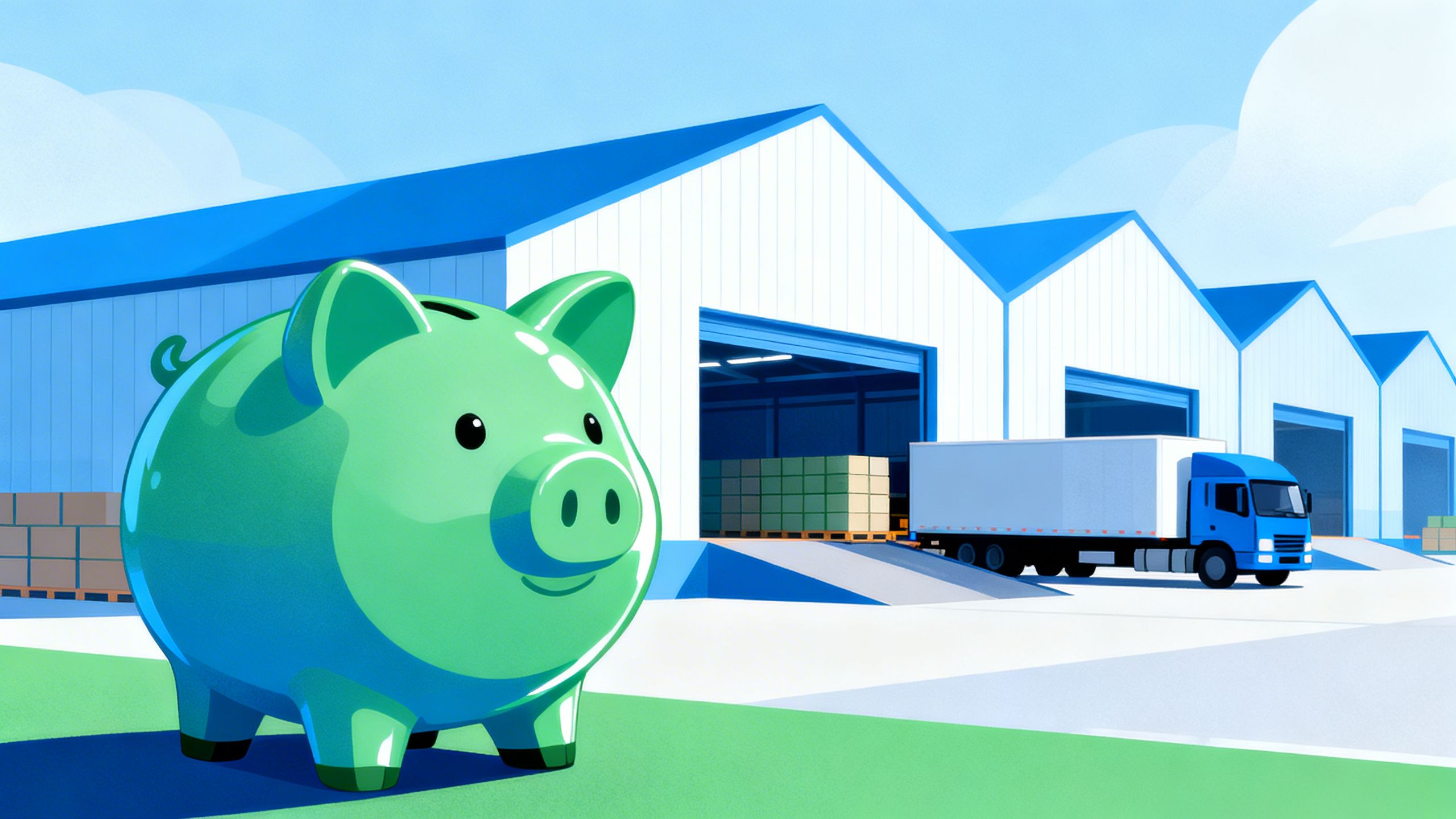
A study by McKinsey found that companies with optimized supply chains have logistics costs that are up to 50% lower than their less-efficient competitors. That's pure profit dropping straight to your bottom line.
Benefit #2: Create Raving Fans with Lightning-Fast Delivery
In the age of Amazon Prime, customers expect their orders fast. Like, yesterday fast. Your outbound logistics process is your only tool to meet this expectation. A streamlined system—from the moment a customer clicks 'buy' to the package landing on their porch—is what separates a one-time buyer from a loyal fan.

Slow, unreliable shipping is one of the top reasons for cart abandonment and negative reviews. Conversely, fast and accurate delivery is a powerful marketing tool that builds trust and encourages repeat business. You're not just shipping a product; you're delivering happiness.
The Ultimate Playbook for Nailing Your Logistics
Alright, enough theory. Let's get practical. Here’s a step-by-step guide to building a rock-solid logistics framework.
Step 1: Mapping Your Inbound Flow: From Supplier to Shelf
This is about controlling the flow of goods into your ecosystem. It involves three key phases:
- Sourcing & Purchasing: Build strong relationships with your suppliers. Don't just treat them like a line item on a spreadsheet. A good partner will give you a heads-up on delays and work with you to solve problems.
- Transportation: Figure out the most cost-effective way to get goods from your supplier to your warehouse. This could be sea freight, air freight, or ground shipping. Model out the costs and lead times for each.
- Receiving & Storing: This is a critical control point. When inventory arrives, it needs to be inspected for accuracy and damage immediately. A small mistake caught here saves a massive customer service disaster later.
Key Tip: Treat your receiving dock like a VIP checkpoint. Have a clear process for counting inventory, checking for damages, and getting it into your inventory management system (WMS) the same day it arrives.
Step 2: Mastering the Outbound Rush: From Click to Customer
Once an order is placed, the clock starts ticking. A smooth outbound process is non-negotiable.
- Order Processing: The order should automatically flow from your sales channel (e.g., Amazon, Shopify) to your warehouse or 3PL.
- Picking & Packing: This is where speed and accuracy are paramount. Organize your warehouse for efficiency (e.g., place best-sellers in easy-to-reach spots). Use the right-sized packaging to avoid overpaying for shipping.
- Shipping: Offer a mix of shipping options (e.g., standard, expedited) and use software to automatically find the best rates across carriers.
Key Tip: Your packing station is the last handshake you have with your customer before they get their product. Make it count. Ensure items are secure, and consider a small branded touch like a thank-you note or a sticker. It costs pennies but has a huge impact.
Step 3: Choosing Your Partners: The 3PL Decision
As you scale, packing boxes in your garage becomes impossible. A Third-Party Logistics (3PL) provider can take over your warehousing, picking, packing, and shipping. Choosing the right 3PL is like a marriage; a good one will help you grow, and a bad one will be a constant source of pain.
Key Tip: Don't just look at price. Evaluate a 3PL on their technology, their network of warehouses (which can help you reduce shipping times), and their customer service.
Logistics Best Practices: From Rookie Moves to Pro Plays
Best Practice: Become a Data-Obsessed Maniac (The Good Kind)
You can't improve what you don't measure. The pros are obsessed with their logistics KPIs (Key Performance Indicators). These include:
- Inventory Turnover: How fast are you selling through your stock? High turnover is good; low turnover means you have cash tied up in products that aren't selling.
- Order Accuracy Rate: What percentage of your orders are shipped perfectly (right item, right quantity, no damage)? This should be 99% or higher.
- On-Time Delivery Rate: What percentage of orders reach the customer by the promised date?
Tracking this manually is a nightmare of spreadsheets and VLOOKUPs. It's 2024. You can spend 10 hours a week in CSV hell, or you can just ask a question. Modern tools like TrackIQ's AI platform can analyze your Amazon data and give you these answers in plain English, in seconds.
Best Practice: Embrace Automation Like Your Business Depends On It (It Does)
Automation is the key to scaling your logistics without scaling your headcount. This means using a Warehouse Management System (WMS) to track inventory, automating order routing, and using software to print shipping labels. Every manual step you eliminate is a chance to reduce errors and increase speed.
Real-World Logistics: Tales from the Trenches
Scenario: The Seller Who Triumphed Over Holiday Chaos
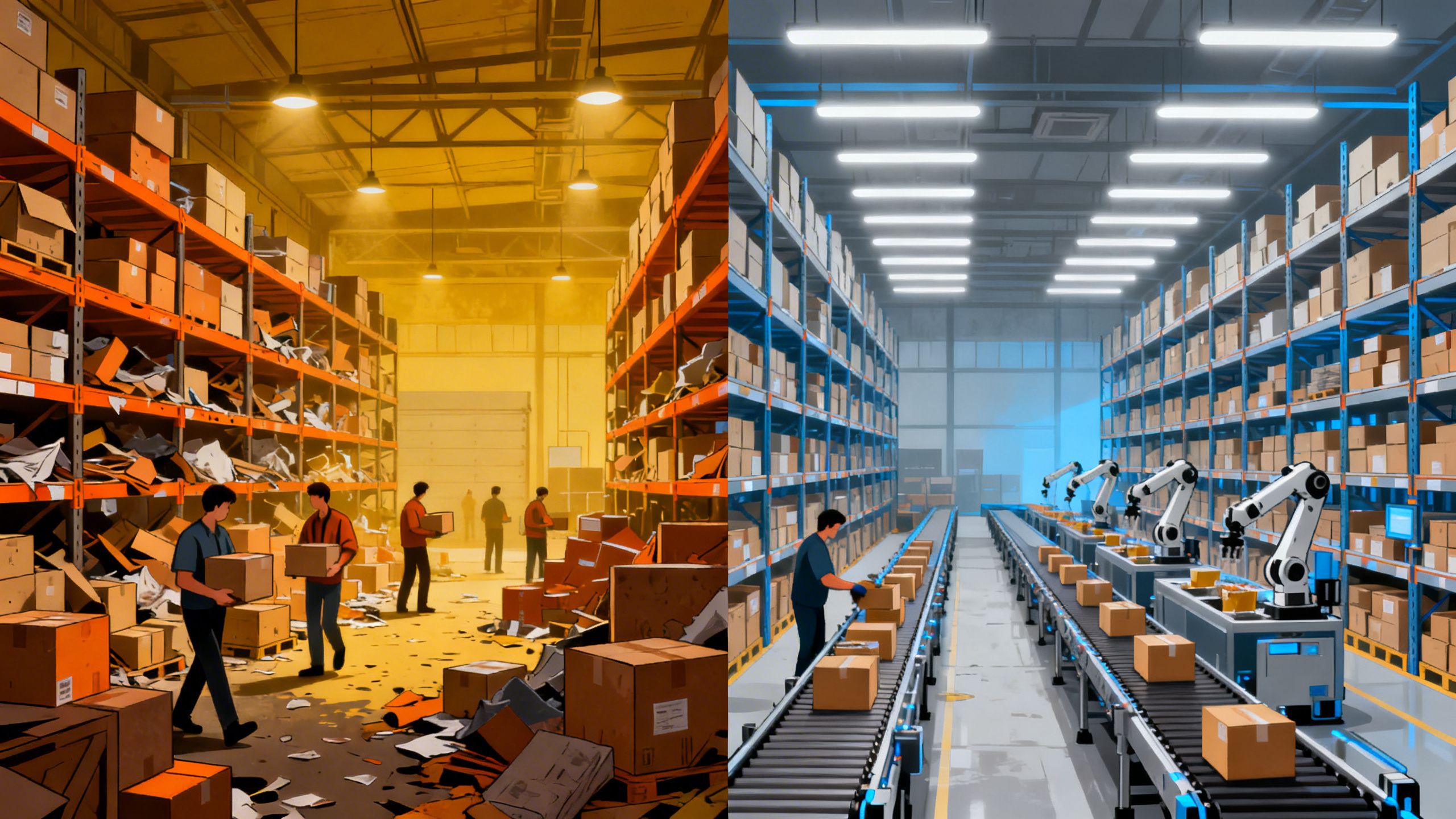
Meet Sarah, an Amazon seller with a seasonal product. In her first year, the holiday rush buried her. She stocked out of her best-seller in early December and was left with a mountain of her worst-seller in January, racking up huge storage fees. The next year, she used sales data to forecast demand accurately. She scheduled her inbound shipments to arrive just in time, avoiding long-term storage fees, and had enough stock to last through the peak, maximizing her revenue.
Scenario: The Agency That Scaled 10 Brands Without Losing Their Minds
An eCommerce agency was managing Amazon accounts for 10 different brands. Every week, they spent 2-3 hours per brand pulling reports to check on inventory levels, shipping performance, and storage fees. It was a full-time job just to wrangle the data. By switching to a centralized platform, they could see all their clients' key logistics metrics on one dashboard. They could spot a potential stockout for one client and high storage fees for another in minutes, not hours, allowing them to manage more clients more effectively.
Common Logistics Screw-Ups and How to Dodge Them
The Pitfall: Ignoring Reverse Logistics (aka Returns)
Nobody likes returns, so it's tempting to ignore them. Big mistake. Returns are an unavoidable part of eCommerce. Having a clunky, slow, or expensive returns process is a great way to lose a customer forever. A smooth, easy return process, on the other hand, can actually increase customer loyalty.
How to Avoid It: Have a clear, simple return policy. Use a system to process returns efficiently, inspect the items, and get them back into sellable inventory (if possible) quickly.
The Pitfall: Treating Your Supplier Relationship Like a Transaction
When a shipping container gets stuck at port, who do you think a supplier is going to help first? The person who haggles over every penny and communicates only through angry emails, or the partner who pays on time and treats them with respect? Build a real relationship. It will pay dividends.
How to Avoid It: Communicate regularly. Pay your invoices on time. Visit them in person if you can. Think of your key suppliers as extensions of your own team.
Why TrackIQ Matters: Your AI-Powered Logistics Analyst
Your Amazon Seller Central account contains all the data you need to build a world-class logistics operation. The problem? It's buried in dozens of different reports, and making sense of it all is a full-time job. You could hire a team of expensive analysts, or you could get an AI agent that's on call 24/7.
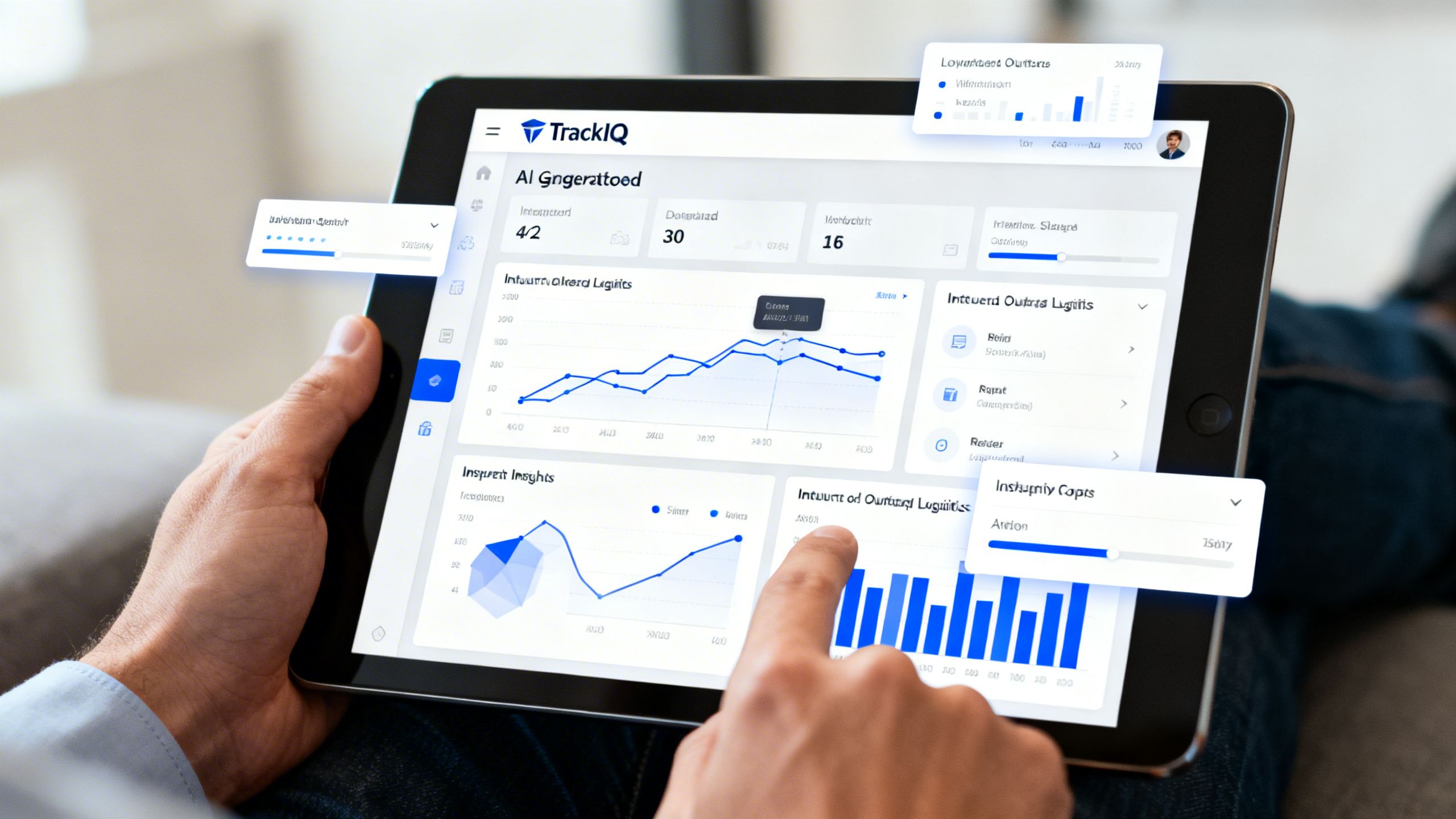
This is where TrackIQ changes the game. Instead of digging through reports, you can simply ask our AI Agent questions in plain English:
"Which of my ASINs are at risk of stocking out in the next 30 days?""Show me my storage fees by product for last month.""What was my on-time delivery rate for FBM orders in Q4?"
TrackIQ connects directly to your data, does the analysis instantly, and gives you the actionable insights you need to make smarter decisions about your inbound and outbound logistics. It’s like having a logistics genius in your pocket, saving you countless hours and helping you spot opportunities and risks you didn't even know to look for.
Key Takeaways & Your Next Move
- Logistics is Your Growth Lever: Stop thinking of logistics as a cost center. It's the engine that drives customer satisfaction, profitability, and scalability.
- Data + Relationships: The twin pillars of a great logistics strategy are strong supplier relationships and a deep, data-driven understanding of your own performance.
- Manual Analysis is Dead: You can't win in today's market by wrestling with spreadsheets. The future of logistics management is leveraging automation and AI to make faster, smarter decisions.
Conclusion
Dave, our friend from the intro, eventually figured it out. He partnered with a great 3PL, started using data to manage his inventory, and turned his chaotic garage into a thriving, scalable business. He stopped being a stressed-out box-packer and became a true CEO.
Don't wait until you're drowning in orders to get serious about your inbound and outbound logistics. By implementing the strategies in this guide, you can build a resilient, efficient supply chain that not only saves you money but also builds a brand that customers trust and love. Stop letting logistics be a source of stress and start turning it into your ultimate competitive edge.
—