Unlock Hidden Profits: Your Guide to Buying and Selling Amazon Return Pallets
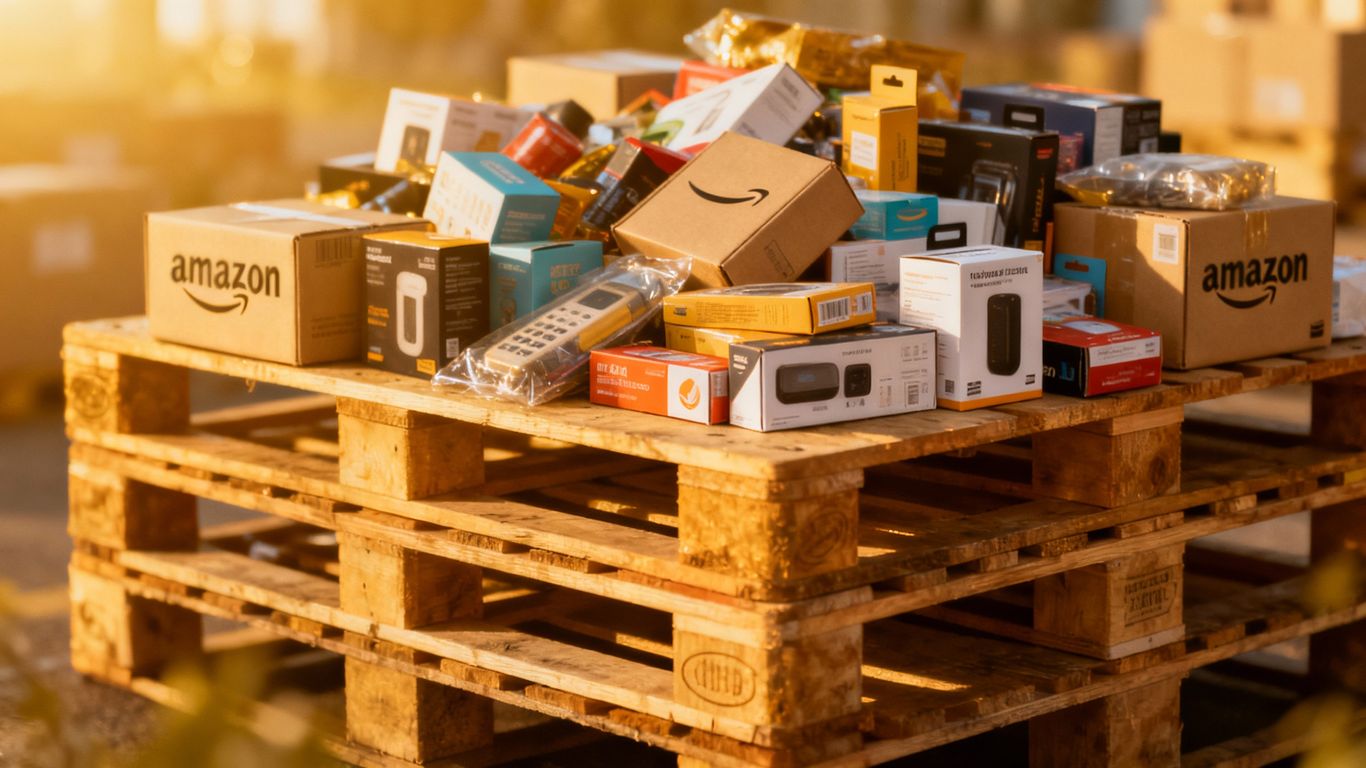
The world of e-commerce returns has opened a lucrative avenue for savvy entrepreneurs: Amazon return pallets. These bulk lots of customer-returned, overstocked, or shelf-pulled items offer a unique opportunity to source inventory at a significant discount. While not a guaranteed path to riches, understanding the process, risks, and best practices can transform these "mystery boxes" into a profitable resale business.
Key Takeaways
- Amazon return pallets are bulk lots of returned, overstocked, or shelf-pulled items sold at a discount.
- They offer potential for high profit margins due to low acquisition costs.
- Success requires careful research, understanding item condition, and managing risks.
- Various platforms and local sources exist for purchasing these pallets.
What Are Amazon Return Pallets?
Amazon return pallets, also known as liquidation pallets, are essentially large crates filled with products that Amazon can no longer sell directly. These items might be customer returns, overstock, or items pulled from shelves. They are then sold in bulk to liquidation companies, wholesalers, and individual resellers looking to profit by reselling the items individually or in smaller lots.
Why Are They Popular Among Resellers?
The appeal of Amazon return pallets lies in their potential for significant profit margins. Resellers can acquire goods at a fraction of their original retail price, often 30-70% less than MSRP. This allows ample room to cover costs like refurbishment, shipping, and platform fees, while still turning a profit. The variety of items found on these pallets also offers flexibility, allowing resellers to test different product categories and pivot their strategy quickly.
How Do Items End Up on Pallets?
When a customer returns an item to Amazon, it's sent to a processing center. There, items are inspected for condition. Items that are damaged, defective, low-value, or not worth the cost of individual relisting are flagged for liquidation. These flagged items are then sorted, sometimes by category, and packed onto pallets for bulk sale.
Where to Buy Amazon Return Pallets
Several avenues exist for purchasing Amazon return pallets:
- Amazon Liquidation Auctions (B-Stock): Amazon's official platform for business buyers, offering transparency with detailed manifests.
- Multi-Retailer Exchanges: Platforms like Liquidation.com and Direct Liquidation offer pallets from various retailers, including Amazon. These often come with manifests but can be more competitive.
- Local Warehouses and Bin Stores: Searching for "Amazon return pallets near me" can reveal local liquidation centers. These often allow for in-person inspection.
- Online Marketplaces: Sites like eBay and Facebook Marketplace may feature individual sellers offering pallets, but require extra caution due to potential scams.
How to Buy Amazon Return Pallets: A Step-by-Step Guide
- Understand the Risk: Recognize that these are returns, and item condition can vary significantly. Not every item will be perfect.
- Choose Your Buying Style: Opt for manifested pallets for detailed item lists and reduced risk, or unmanifested pallets for a potentially lower cost and higher gamble.
- Select a Platform: Based on your preference for transparency and risk tolerance, choose a reputable platform or local source.
- Research the Seller: Verify the credibility of the seller, looking for active online presence, customer reviews, and transparent inventory details.
- Set Your Budget: Factor in the pallet cost, shipping, potential refurbishment, and your target profit margin. Aim to acquire pallets at a price that allows for a healthy resale margin (often aiming for a total cost under 30% of the potential MSRP).
- Pick the Right Pallet Type: Consider General Merchandise, Electronics, or Apparel pallets based on your expertise and operational capacity.
Challenges and Risks
Buying Amazon return pallets comes with inherent risks, including unpredictable item conditions, potentially high shipping costs, the possibility of scams, and the fact that not all items will sell at full retail value. Storage space can also become a significant issue as inventory grows. Market saturation and competition can also impact profitability.
Is It Profitable?
Yes, reselling items from Amazon return pallets can be profitable. Success hinges on diligent research, understanding the true cost of acquisition (including shipping and labor), realistic pricing strategies, and effective inventory management. Treating it as a business, starting small, and learning from each purchase are key to building a sustainable resale venture.